




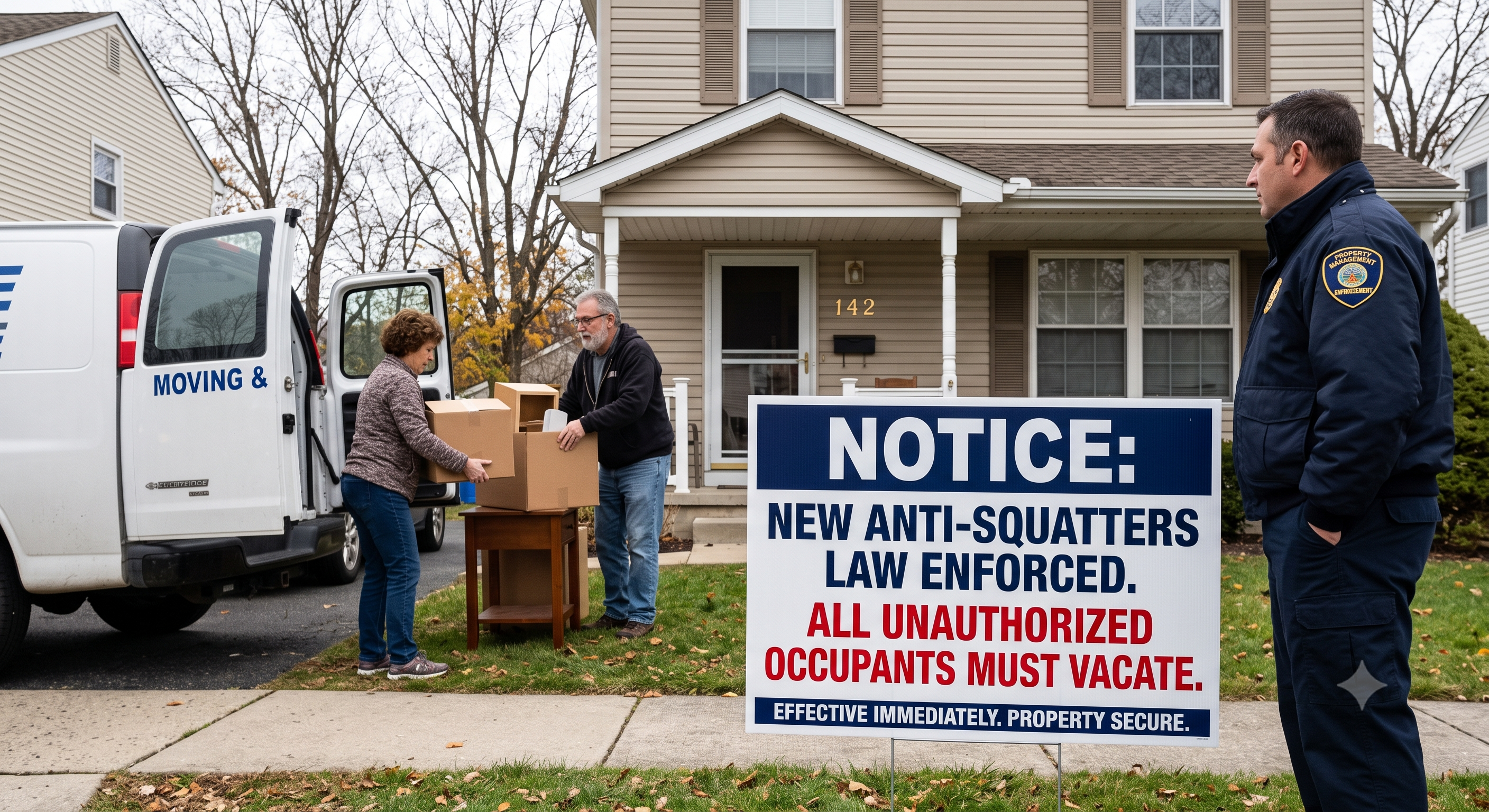
New South Carolina Law Gives Property Owners a Faster Way to Remove Squatters
Good news for South Carolina rental property owners.
A new state law, signed by Governor Henry McMaster on June 30, 2026, creates a faster legal process for removing individuals who are unlawfully occupying a residential property. Rather than relying on the traditional eviction process, property owners now have an expedited legal option when someone is living in a home without permission and is not a current or former tenant.
Here's what owners should know:
• This law applies to unlawful occupants (squatters), not residents with a lease or landlord-tenant relationship.
• Property owners can file a sworn affidavit with the court stating the individual has no legal right to occupy the property. If the legal requirements are met, law enforcement can serve a 24-hour notice to vacate. Occupants who refuse to leave may be physically removed within the following 24 hours.
• The law creates new criminal penalties for fraudulent occupancy, including using fake leases or other fraudulent documents to claim a right to remain in a property.
• Individuals who cause more than $1,000 in damage while unlawfully occupying a property may face felony charges.
• The legislation also updates South Carolina's eviction appeal process. Tenants who choose to remain in a property while appealing an eviction must continue paying rent into the court while the appeal is pending.
One important reminder: This law is not a shortcut around South Carolina's normal eviction process. If someone is a current or former tenant, even if they have stopped paying rent, the South Carolina Residential Landlord and Tenant Act and the standard eviction process still apply. Courts and housing advocates have emphasized that the law should not be used to bypass the legal protections afforded to legitimate tenants.
While situations involving squatters are relatively uncommon, this law provides South Carolina property owners with a clearer and more efficient legal process should one ever occur.
At Foothills Property Management, we stay on top of legislative changes like these to protect our clients. If you have questions about how this new law affects your rental property, we're always here to help.