




The Most Important Thing to Look for When Choosing a Property Manager
On the surface, property management sounds pretty simple.
Find a tenant.
Sign a lease.
Collect the rent.
Call a vendor when something breaks.
And honestly, sometimes it really does go that smoothly. When everything goes right, it may not feel like it matters who is managing the property, whether that’s a professional property manager or you doing it yourself.
But property management is not tested when everything goes right.
It is tested when life happens.
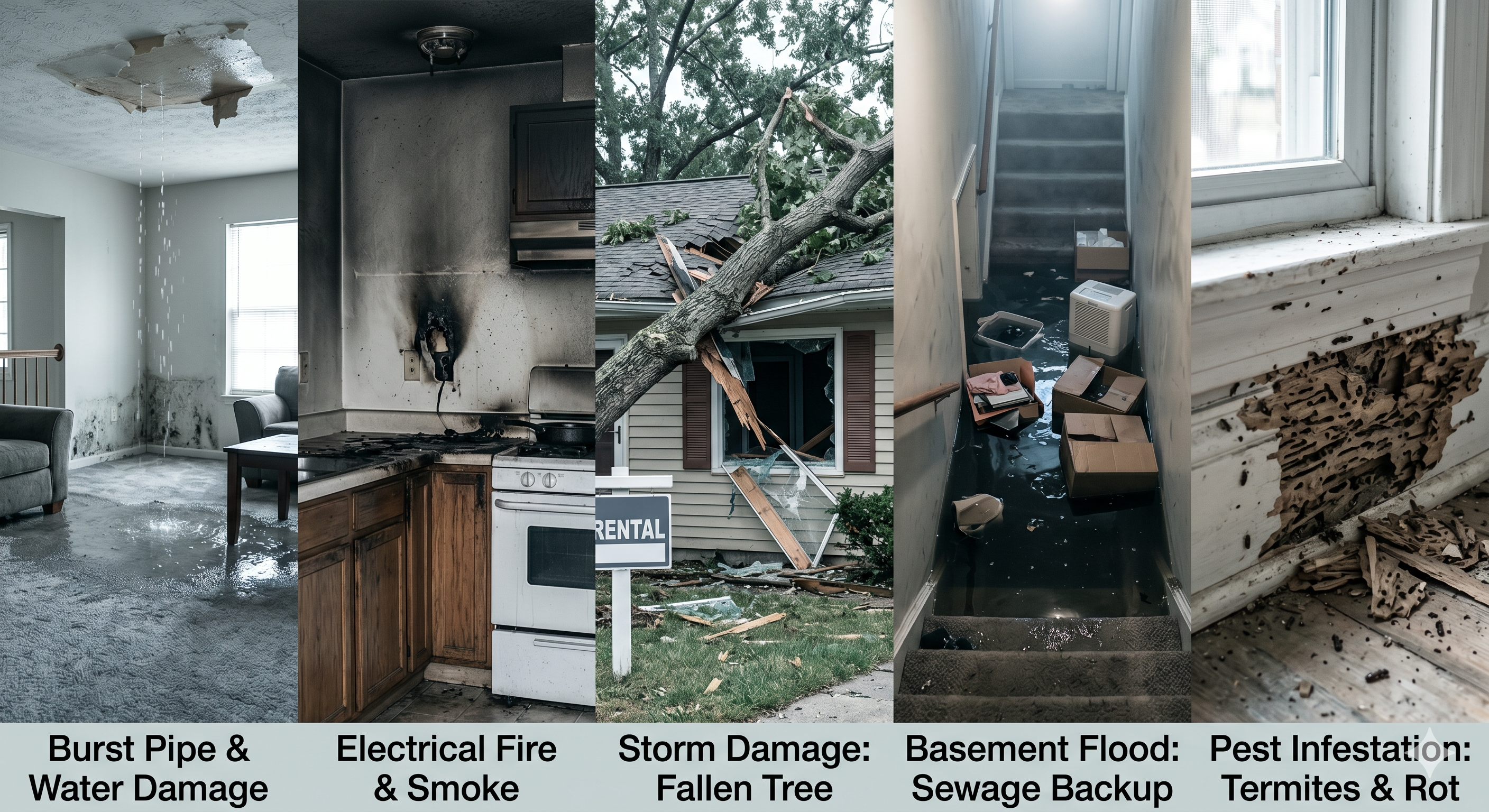
A job loss. A fire. A flood. A natural disaster. An eviction. Tenant damage. A death in the property. A global pandemic.
That is when experience matters most.
A good property manager is a lot like insurance. You may not fully appreciate it when everything is calm, but when something serious happens, you are very thankful you have it. And by the time you realize you need experience, it is usually too late to go back and get it.
I often tell our clients I feel a little like that Farmers Insurance commercial, “We know a thing or two because we’ve seen a thing or two.”
Because in property management, that matters.
Experience Is More Than Years in Business
When choosing a property manager, it is easy to focus on fees, online portals, marketing photos, or how quickly rent is deposited.
Those things matter, but they are not the whole picture.
The better question is, what happens when something goes wrong?
That is where experience shows up.
Have They Ever Dealt With a Tenant’s Death?
This is not something anyone likes to think about, but it happens.
In South Carolina, a tenant’s death does not automatically terminate the lease. If the person managing the property does not know how to handle that situation properly, an owner can end up dealing with probate issues, legal delays, attorney fees, and a property they cannot legally regain possession of for an extended period of time.
Even something that seems simple, like giving a family member a key to clean out the property, can create risk.
Does that person legally have the right to remove the tenant’s belongings?
What happens if another family member later claims something valuable or sentimental was taken?
How do you protect the owner while still handling the situation with compassion?
These are not decisions you want someone figuring out for the first time with your property.
Have They Been Through a Full Market Cycle?
Real estate moves in cycles, often every 7 to 10 years. A property manager who has only operated in a strong rental market may not have the same perspective as one who has been through downturns, layoffs, unemployment spikes, and changing tenant behavior.
During COVID, property managers had to learn quickly how to protect rental income, communicate with residents, connect tenants with resources, and help owners make smart decisions during an incredibly uncertain time.
That kind of experience matters.
When income stops unexpectedly, when tenants are struggling, and when owners still have mortgages, taxes, insurance, and maintenance obligations, you need someone who understands how to be both compassionate and firm.
Have They Handled Fires and Floods?
A fire or flood is not just a maintenance issue.
It is an insurance issue.
A documentation issue.
A safety issue.
A habitability issue.
A resident communication issue.
And sometimes, a relocation issue.
There are steps that need to happen quickly and in the right order. The property must be protected from further damage. The insurance claim needs proper documentation. Residents may need direction. Vendors need to be dispatched. Decisions have to be made quickly.
Water damage, for example, can turn into mold if it is not addressed promptly. But insurance coverage can become much more complicated if the damage and mitigation are not properly documented.
That is not the time to hope someone knows what to do.
How Do They Handle Extreme Weather?
In Anderson, we saw firsthand how important experience was when Hurricane Helene hit in September 2024.
Trees were down. Homes were damaged. Residents were displaced. Power and internet were out across the area. Vendors were overwhelmed. Communication was difficult. Our own office was without power and internet for weeks.
But because we had years of experience dealing with emergencies, storm damage, power outages, tree damage, service delays, and some lessons learned during COVID, we were able to triage issues, dispatch vendors, communicate with residents, assist displaced tenants, and help owners navigate one of the largest natural disasters our area has experienced.
Extreme weather is not just about storms.
What is the process for deep freezes?
How are tenants instructed to protect plumbing?
What happens during extreme heat?
How do you determine whether an HVAC unit is truly not functioning or simply struggling under abnormal temperatures?
Are you preventing unnecessary service calls while still protecting the resident and the property?
These details matter, and they are learned through experience.
How Much Eviction and Court Experience Do They Have?
No one wants to evict a tenant, but sometimes it is necessary.
When that happens, the process must be handled correctly. Laws change. Court procedures change. Filing requirements can vary. A small technical mistake can cause delays, dismissed filings, refiling fees, and another month of lost rent.
A property manager should know how to stay up to date, how to document properly, how to communicate appropriately, and how to move through the process as efficiently as the law allows.
Experience in court matters.
How Do They Handle Security Deposit Disputes?
Security deposit disbursements are one of the most common areas where landlords get into trouble.
Does the property manager have a clear process?
Do they document move-in and move-out conditions?
Do they understand the legal timelines?
Do they know how to support charges if a former resident disputes them months or even years later?
A tenant may have up to three years to bring certain claims, and if the process was not handled correctly, the financial risk can be far greater than the original deposit.
Good documentation is not busywork. It is protection.
How Do They Protect You From Tenant Damage?
Tenant damage comes in all forms.
A resident driving into an apartment building.
A grease fire caused by frozen chicken fingers.
A home left with major damages after move-out.
Unpaid rent that needs to be collected.
Unauthorized pets or occupants.
Damage that exceeds the security deposit.
In those moments, using someone just because they’re a friend or relative with a real estate sales license will cost you.
The most important thing is whether your property manager knows how to document the damage, determine responsibility, communicate with the resident, file insurance claims when needed, pursue collections when appropriate, and protect your financial interest.
Accountability after the fact is just as important as convenience during the lease.
The Cheapest Option Can Become the Most Expensive
When comparing property managers, it is tempting to focus on price.
But the lowest management fee does not always equal the lowest cost.
The real cost shows up when something goes wrong and the person managing the property does not know what to do.
A missed deadline, poor documentation, mishandled communication, improper possession, an avoidable insurance denial, or a delayed eviction can cost far more than the difference between management fees.
Experience is not just what you are paying for when things are easy.
Experience is what protects you when they are not.
We’ve Seen a Thing or Two
At Foothills Property Management, we have navigated all of these situations, many of them more than once.
Tenant deaths. Fires. Floods. Evictions. Natural disasters. Security deposit disputes. Tenant damages. Insurance claims. Market downturns. COVID. Hurricane Helene.
Our clients do not have to pay for us to learn these lessons at their expense.
That is the value of experience.
Because property management is not just about collecting rent when everything goes right.
It is about knowing exactly what to do when it does not.