




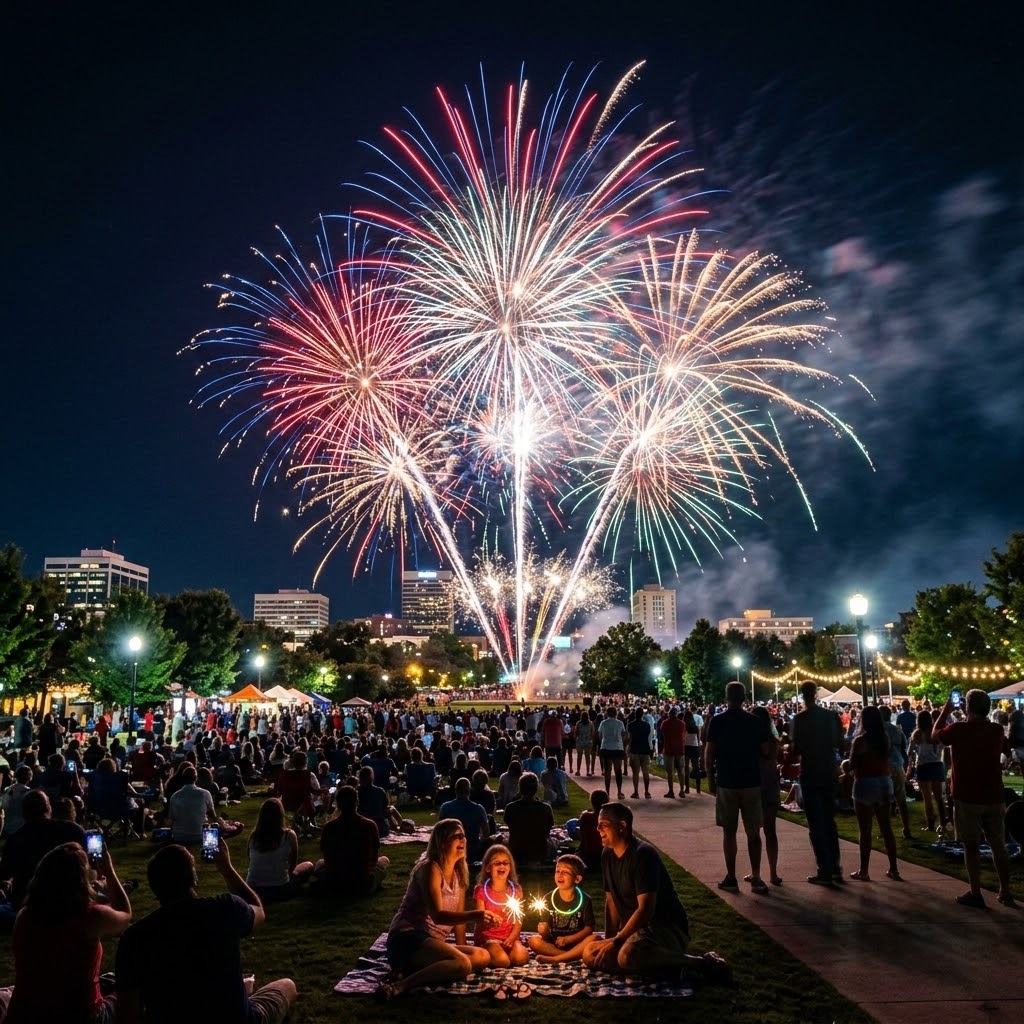
Fireworks, Rental Properties, and South Carolina Landlords: What Owners Need to Know
Fireworks during the Fourth of July season are part of summer in South Carolina. In many areas, fireworks are easy to purchase, easy to use, and, often legal. But for landlords and property managers, “legal” does not always mean “allowed at the rental property.”
South Carolina is much more permissive than many states when it comes to consumer fireworks. Many aerial fireworks, mortars, cakes, fountains, and similar consumer fireworks may be legal under state law. However, certain fireworks are still prohibited, including cherry bombs, M-80s, TNT salutes, bulldog salutes, and small bottle rockets. Fireworks also cannot be sold to anyone under the age of 16.
Even when fireworks are legal under state law, local ordinances may add additional restrictions. A city may have different rules from the county. Some areas may limit the hours during which fireworks can be discharged. Others may prohibit them entirely. That means residents, owners, and property managers should never assume that fireworks are automatically permitted just because they can be purchased nearby.
Why Fireworks Matter for Rental Properties
Fireworks create a unique risk for rental housing providers. They can cause injuries, fires, roof damage, grass fires, damage to vehicles, damage to neighboring homes, and complaints from other residents. They can also create problems for pets, children, elderly neighbors, veterans, and residents who simply do not want fireworks being discharged near their home.
For single-family rentals, the risk may involve the house, yard, roof, driveway, nearby trees, neighboring homes, or vehicles parked close by.
For multifamily communities, the risk is even greater. Fireworks used in parking lots, breezeways, balconies, sidewalks, or common areas can quickly create a safety issue for multiple residents and multiple buildings.
From a property management standpoint, the issue is not only whether fireworks are legal in South Carolina. The issue is whether fireworks are safe, allowed by the lease, allowed by community rules, allowed by local ordinance, and allowed by the owner or managing authority.
Most Leases Do Not Clearly Address Fireworks
Many residential leases prohibit dangerous activity, nuisance behavior, illegal conduct, damage to the property, or interference with neighbors’ peaceful enjoyment. Those clauses may help, but they may not be specific enough.
If a lease does not clearly address fireworks, enforcement can become more difficult. A resident may argue that fireworks are legal, that they were used outside, or that the lease does not specifically prohibit them.
For that reason, we recommend having clear fireworks language in your lease, resident handbook, rules and regulations, or community policies.
A strong policy should address not only the use of fireworks, but also the storage, possession, discharge, or ignition of fireworks on the property, including driveways, yards, porches, balconies, parking areas, sidewalks, and common areas.
Can a Landlord Ban Fireworks at the Property?
Generally, yes. A private landlord can restrict resident conduct through the lease and community rules, as long as the rule is lawful, reasonable, properly communicated, and enforced consistently.
South Carolina also has a specific process that allows an owner, lessee, or managing authority to establish a Fireworks Prohibited Zone. This requires filing a Discharge of Fireworks Prohibited Agreement with the law enforcement agency that has jurisdiction over the property and posting the required signs on the property. The signs must state:
“DISCHARGE OF FIREWORKS PROHIBITED
VIOLATORS WILL BE PROSECUTED”
This can be especially helpful for multifamily properties, HOA/POA communities, condominium communities, and rental properties where fireworks create a repeated safety concern.
For single-family rentals, the lease should still clearly state whether fireworks are prohibited, even if the owner or property manager does not go through the formal Fireworks Prohibited Zone process.
Enforcement Is the Hard Part
Having a fireworks rule is only helpful if it is communicated and enforced.
Before July 4th, New Year’s Eve, and other holidays where fireworks are common, landlords and property managers should send residents a written reminder. For multifamily properties, notices may also be posted in common areas or delivered to each door. For single-family homes, an email or resident portal notice may be sufficient.
The reminder should be clear, firm, and practical:
Fireworks are not allowed on the property if prohibited by the lease or community rules.
Residents are responsible for damage caused by themselves, occupants, guests, or invitees.
Local laws and ordinances must be followed.
Fireworks should never be used near buildings, vehicles, dry grass, trees, pets, people, or neighboring property.
Violations may result in lease enforcement, charges for damages, notices of noncompliance, or other remedies available under the lease and South Carolina law.
Consistency matters. If a landlord or property manager ignores repeated violations, enforcement becomes more difficult later. If staff members, vendors, or residents see the rule being applied inconsistently, the rule loses strength.
Can You Evict for a Fireworks Violation?
Possibly, but landlords should be careful about assuming that every fireworks violation will support eviction.
A serious violation involving property damage, injury, fire risk, repeated conduct, illegal fireworks, threats to others, or violation of a clearly written lease clause will support stronger enforcement. A minor or first-time violation may be better addressed with a written warning or a notice of noncompliance, depending on the facts.
As with most lease enforcement issues, documentation matters. You should always document the date, time, location, photos or videos if available, witness statements, resident communications, damage, police/fire response, and any prior warnings.
For high-risk conduct, repeated violations, or damage, landlords should consult their attorney before proceeding.
What South Carolina Landlords Should Do Now
South Carolina landlords should review their lease and resident rules before the holiday season. If fireworks are not addressed, add a clear fireworks provision to all new leases.
For current residents, consider sending a written policy reminder or updated community rule, if permitted by the lease. The notice should explain that fireworks are prohibited on the property, if that is the owner’s policy, and that residents are responsible for any damage or injury caused by themselves, occupants, guests, or invitees.
Owners and managers of multifamily communities, condominium communities, and properties with common areas should also consider whether filing a Fireworks Prohibited Zone agreement with local law enforcement makes sense.
Fireworks may be part of the celebration, but they are also a real risk for rental properties. Landlords should not wait until after a fire, injury, roof damage, resident complaint, or insurance claim to decide how fireworks will be handled.
The best approach is simple: have a clear written policy, communicate it before major holidays, enforce it consistently, and make sure residents understand that fireworks are not allowed on the property when prohibited by the lease or community rules.